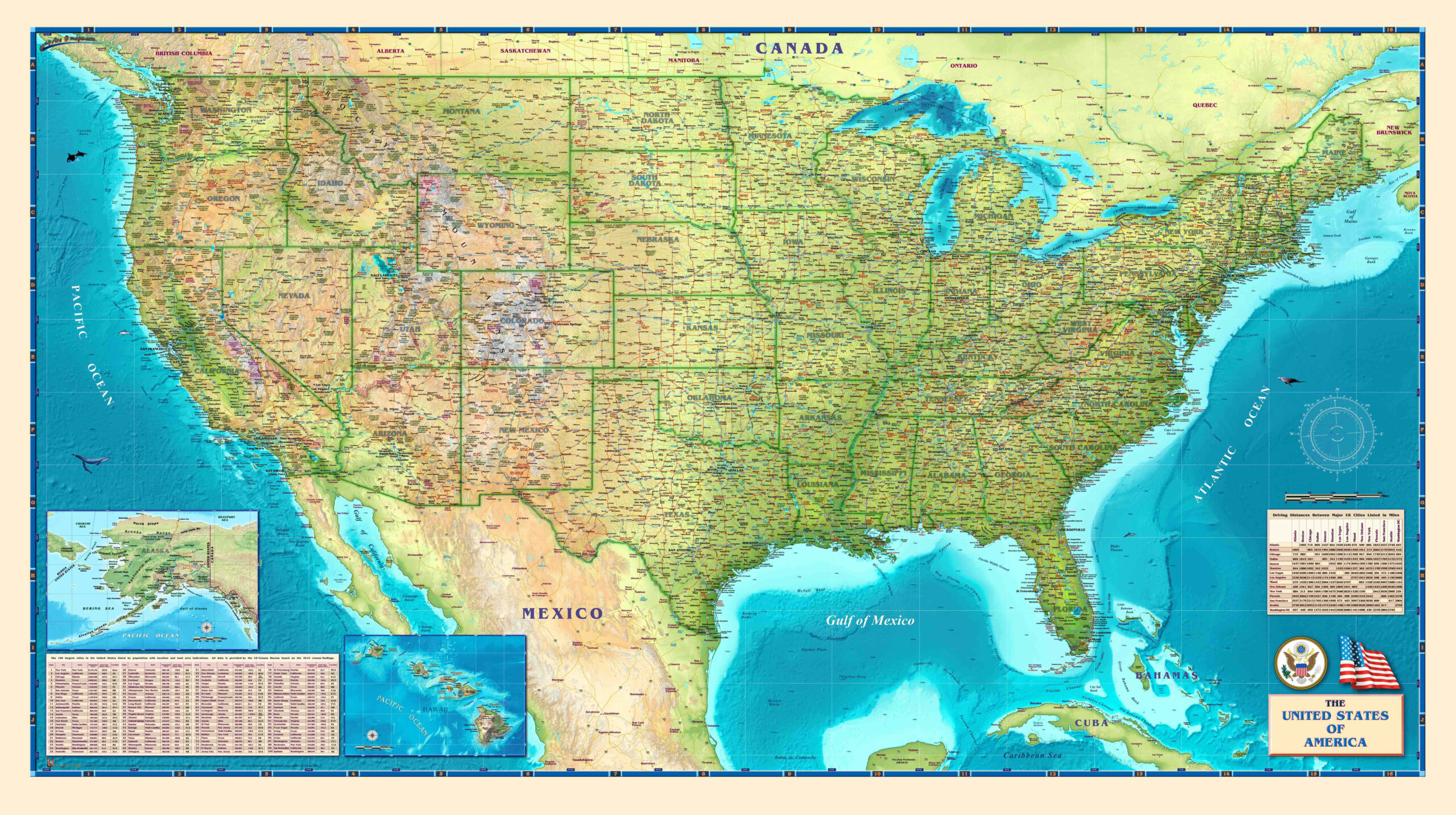
When you hear about major federal legal actions on the evening news, titles like United States Attorney and Attorney General often pop up. People mix them up, but they occupy very different levels of the executive branch. The Attorney General serves as the chief law enforcement officer of the entire nation and leads the cabinet-level Department of Justice. In contrast, a US Attorney is a regional federal prosecutor appointed to manage criminal and civil cases within one of the 94 specific judicial districts across the country.
Understanding the contrast between a US Attorney and Attorney General comes down to scope, administrative hierarchy, and daily courtroom responsibilities. While the Attorney General sets national policy and oversees thousands of employees from Washington, D.C., individual US Attorneys handle the boots-on-the-ground litigation inside local federal courtrooms. Let's break down how these two powerful positions operate and intersect.
Hierarchy and Appointment Process
The structural relationship between these positions is strictly hierarchical. The Attorney General is a member of the President's cabinet, nominated by the executive and confirmed by the United States Senate. This officeholder dictates the overarching legal priorities of the federal government, directing agencies like the FBI, DEA, and ATF.
US Attorneys are also nominated by the President and confirmed by the Senate, but they don't hold national portfolios. Each of the 94 federal judicial districts gets exactly one US Attorney. They report directly to the Attorney General and must align their district's prosecution strategy with the national guidelines established by the Department of Justice.
- Appointment: Both require presidential nomination and Senate confirmation.
- Tenure: US Attorneys often change with presidential administrations, while the Attorney General leads for as long as they retain the trust of the President and Senate.
- Oversight: The Office of the Attorney General handles administrative discipline, budget allocation, and policy directives for all US Attorney offices nationwide.
Jurisdictional Scope and Daily Duties
Geographic boundaries separate what these leaders do every day. The Attorney General rarely steps into a courtroom to prosecute a bank robber or try a corporate fraud case. Instead, their work focuses on national policy, constitutional defense, civil rights enforcement, and advising the President on legal matters. You can read more about broad federal powers through the Department of Justice.
US Attorneys operate locally. They manage teams of Assistant US Attorneys (AUSAs) who act as the primary trial lawyers for the federal government within their designated region. If a drug trafficking ring crosses state lines or a white-collar crime hits a regional bank, the local US Attorney's office builds the indictment, presents evidence to grand juries, and tries the case.
- Attorney General Scope: National policy, nationwide agency coordination, and supreme appellate oversight.
- US Attorney Scope: Regional criminal indictments, civil litigation involving the federal government locally, and trial-level management.
To see how federal rules apply in practice, review guidelines provided by the Legal Information Institute.
Common Misconceptions
People frequently confuse federal prosecutors with state-level officials. For instance, a state attorney general handles matters for an individual state government, which is completely separate from the federal US Attorney structure. Another frequent mix-up involves confusing a US Attorney with a local District Attorney. District attorneys prosecute local crimes like theft or assault under state municipal laws, whereas US Attorneys only handle violations of federal statutes.
- Federal vs. State: State attorneys general answer to state constitutions; federal prosecutors answer to federal law and the DOJ.
- Trial vs. Policy: Don't assume the Attorney General personally tries cases; they are executive administrators and chief legal strategists.
Frequently Asked Questions
Can the Attorney General fire a US Attorney?
Yes. As the head of the Department of Justice, the Attorney General possesses supervisory authority over all US Attorneys, though removals typically align with broader administrative transitions or specific disciplinary grounds.
Do US Attorneys report directly to the President?
No. While the President formally nominates them, US Attorneys report to the Attorney General and the Deputy Attorney General within the Department ofject of Justice chain of command.
Are Assistant US Attorneys the same as US Attorneys?
No. The US Attorney is the singular chief federal prosecutor appointed for a specific district, while Assistant US Attorneys are the staff attorneys who handle the actual day-to-day casework and trials.
What kinds of cases do US Attorneys handle?
They focus on federal crimes such as immigration violations, tax fraud, weapon offenses, terrorism, drug cartels, and public corruption occurring within their specific geographic district.
--- US Attorney vs Attorney General Explained
This video is relevant because it breaks down the operational differences between regional US Attorneys and national Department of Justice leadership.


