Naming conventions in classic animation carry heavy narrative weight, shaping how audiences perceive core motivations before a line of dialogue is spoken. In Disney's 1981 animated feature The Fox and the Hound, every moniker reflects biological reality, historical subtext, or thematic destiny. Examining these designations reveals a careful layer of storytelling that elevates simple animal archetypes into studies of nature versus nurture.
The primary keyword focus centers on uncovering why these specific names were chosen and how they mirror the inner lives of the woodland and domestic animals. Far from random selections, the labels assigned to Tod, Copper, Chief, and Amos Slade form a tight linguistic network that mirrors their ultimate fates in The Walt Disney Studios catalog.
The Linguistic Roots of Tod and Copper
The central relationship hinges on two contrasting names that immediately establish identity and background.
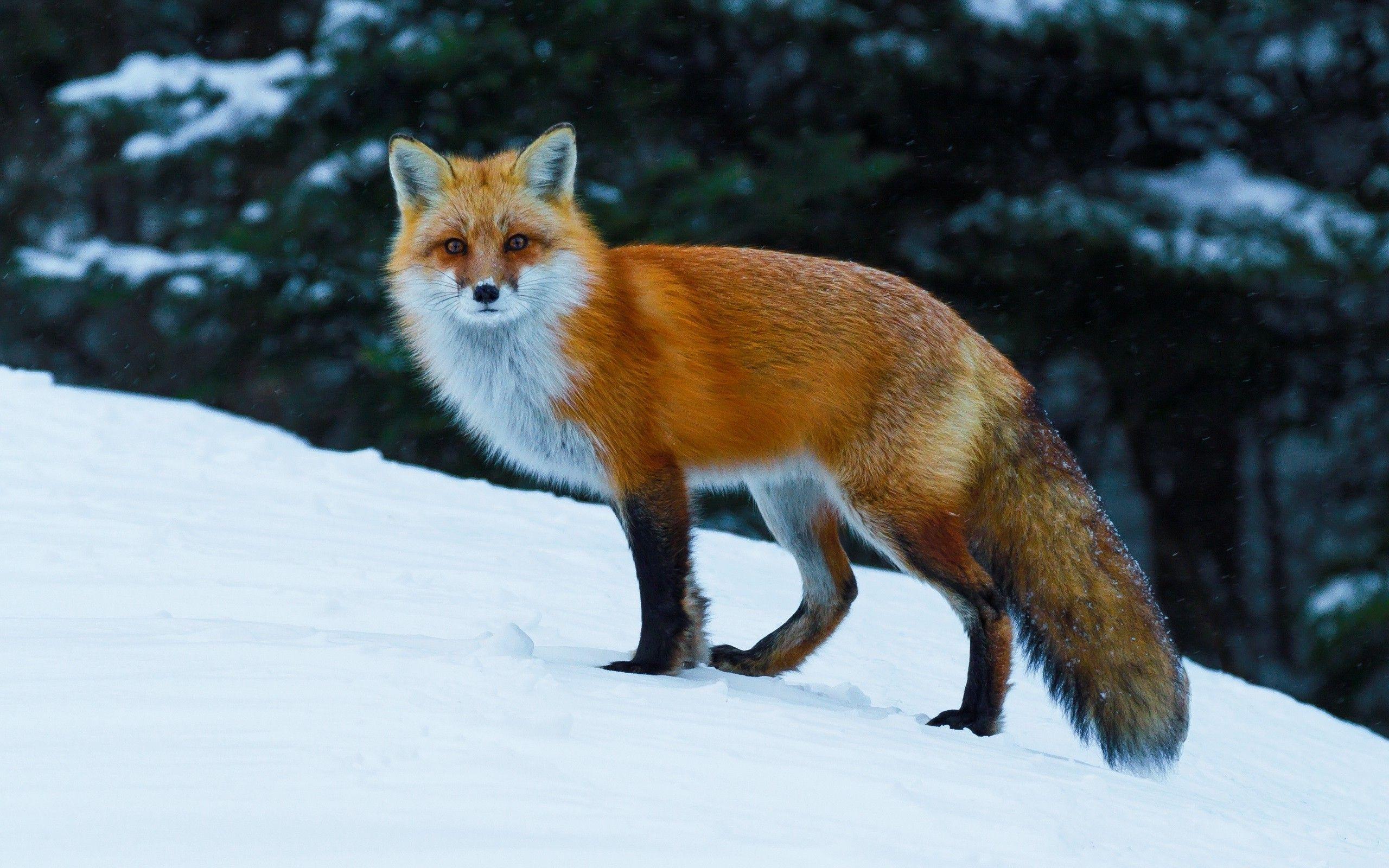
Tod, the orphaned red fox kit, receives his name directly from Big Mama the owl, who notes he looks like a little toddler. Beyond that playful dialogue cue, linguistic history shows that "tod" is an archaic regional English word specifically for a fox. This dual meaning grounds the character in rustic folklore while keeping his introduction tender and childlike. He isn't given a grand heroic title; he is simply a "tod," small, vulnerable, and learning to navigate a world that views him as quarry.
Copper, on the other hand, derives his identity from utility and metallic hardness. As a hound dog bred for tracking, his name points to his physical coloring—a rich, reddish-brown coat that matches the metallic element—and connotes durability, value, and industrial function. Unlike Tod's soft, folk-etymology moniker, Copper's title is utilitarian. Amos Slade didn't name him as a pet for affection; he named him as an investment for the hunt.
Human and Mentor Monikers: Amos Slade, Widow Tweed, and Big Mama
The surrounding human and mentor characters utilize names that anchor them firmly in rural American archetype traditions.
Amos Slade sounds sharp, clipped, and severe. The hard consonants mirror his stubborn temperament, trigger-happy disposition, and unyielding adherence to the rules of the frontier. Amos carries biblical weight as a prophet of judgment, fitting a man who views the forest through an uncompromising lens of predator and prey.
Widow Tweed offers a direct phonetic contrast. "Tweed" evokes rough, warm, homespun fabric—woolen garments worn by country folk to stay warm against the cold. It matches her protective, maternal nature and her cozy, cluttered cottage. She is textile and comfort, a soft barrier against Amos Slade's harsh metallic world.
Big Mama functions as a descriptive functional title rather than a given name. In Southern folklore and community structures, a "big mama" represents the matriarchal pillar of wisdom, protection, and unconditional support. By omitting a formal given name, the filmmakers elevate her into a universal symbol of woodland conscience. She observes from the branches above, guiding Tod through the harsh realities of the ecosystem without muddying her perspective with human grudges.
Secondary Animal Names: Function and Foil
Even the minor supporting figures possess names that reinforce their narrative roles.
- Chief: Amos Slade's veteran hunting dog bears a title of hierarchy and seniority. He is the leader of the pack, the benchmark against which young Copper must measure himself. His name makes his eventual obsolescence and tragic accident on the railway tracks carry heavier symbolic weight; when the "chief" falls, the old ways of the hunt are forced to evolve.
- Vixey: Introduced later in the film as Tod's romantic interest, her name stems directly from "vixen," the biological term for a female fox. It is a straightforward linguistic pairing with Tod, cementing their natural alignment once Tod is forced back into the wild.
- Boomer and Dinky: This comedic woodpecker and sparrow duo carry bouncy, light-hearted onomatopoeic names. They provide narrative relief precisely because their names sound unserious, contrasting sharply with the grim life-or-death stakes faced by the foxes and hounds.
Common Mistakes in Analyzing Disney Character Monikers
When casual viewers examine classic animation, several recurring analytical errors emerge regarding character designations:
- Assuming modern slang applies retroactively: Some viewers try to connect "Tod" to modern digital abbreviations or internet culture, ignoring its centuries-old British dialect roots.
- Overlooking animal classification terms: Many treat names like Vixey as creative inventions rather than recognizing them as direct linguistic adaptations of biological gender terms for wildlife.
- Separating names from visual design: Characters like Copper are frequently analyzed purely by personality while ignoring how metallic and utilitarian naming conventions reflect the property-driven mindset of early hunters.
Frequently Asked Questions
Why did Big Mama name the fox Tod instead of a regular human name?
Big Mama chose the name because it sounded like "toddler" while subtly leaning into traditional rural dialects where "tod" meant fox. It highlights his infancy and innocence when he is first left alone in the forest.
Is Copper a bloodhound or a mix?
Within the film's universe and source material by Daniel P. Mannix, Copper is depicted as a hound dog, specifically designed with features resembling a bloodhound and coonhound mix optimized for tracking scent through rough terrain.
Did the original book use the same character names?
Daniel P. Mannix's 1967 novel featured a red fox, but many of the specific, endearing Disney names—such as Widow Tweed, Vixey, and the comic relief birds—were created or heavily adapted by Disney's animation writers to soften the notoriously grim tone of the original text.
What does Amos Slade's name tell us about his role?
Amos carries old-fashioned, rigid connotations that fit his identity as a traditional trapper unwilling to adapt to changing social or environmental understandings. His surname, Slade, evokes a sloping valley or ravine, tying him physically to the rugged terrain he hunts across.



