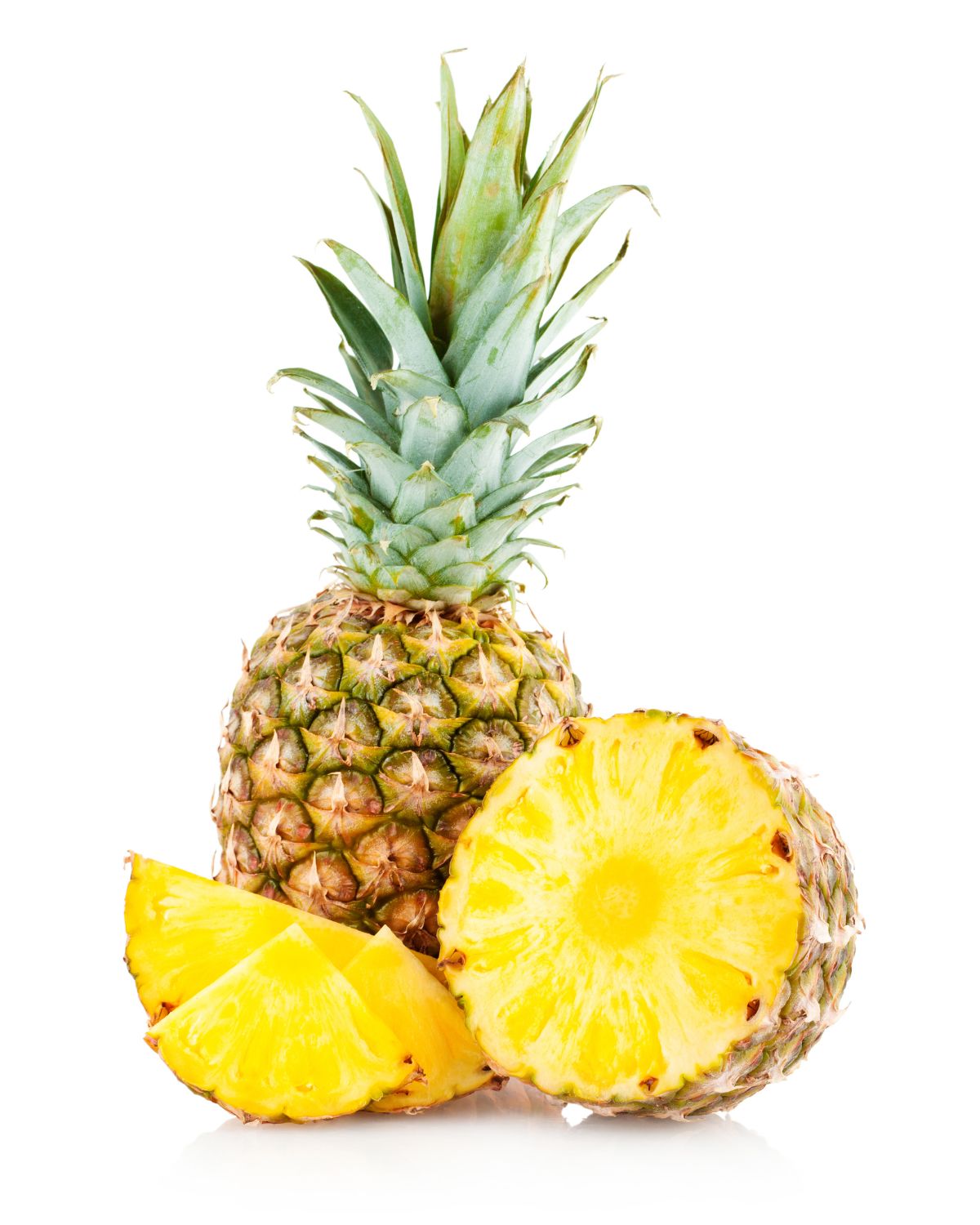
Choosing a pineapple at peak ripeness makes the difference between a mouth-puckering, acidic disappointment and a sweet, juicy treat. Unlike bananas or avocados, pineapples stop ripening the moment they are harvested from the field. They don't ripen further on your kitchen counter; they only soften and eventually ferment.
To tell if a pineapple is ready to eat, look for a combination of a sweet fragrance at the base, a heavy feel for its size, and skin that yields slightly to firm pressure without being mushy. Color alone won't tell the whole story, as some ripe pineapples retain a greenish hue depending on the variety and growing conditions.
Visual Cues and Color Misconceptions
Shoppers often search for a completely golden-yellow exterior, assuming green patches signal an unready fruit. In reality, color varies wildly by season and cultivar.
- The Green Myth: A healthy pineapple can display shades of dark green, yellow-green, and bright gold all at once. Relying purely on a yellow exterior can lead you to pick an overripe fruit that has already started fermenting inside.
- The Eyes: Look closely at the pattern on the skin, known as the eyes. On a ripe pineapple, these eyes are wide, flat, and smooth. On an unripe fruit, they appear pointed, tightly packed, and sharp.
- Leaf Color: While some believe pulling a leaf from the crown proves ripeness, doing so damages the fruit. Instead, check the vibrancy of the crown leaves. Healthy, deep green leaves indicate freshness, while dry, brown leaves mean the fruit sat too long in transit.
The Touch and Weight Tests
Physical handling provides the most reliable data when grocery shopping. You don't need to bruise the fruit; gentle testing works best. Further reporting by Bloomberg explores comparable views on this issue.
- Weight: Pick up two pineapples of identical size. The heavier one contains more moisture and juice, signaling a ripe, sweet fruit. A light pineapple has likely dried out and lost its flavor concentration.
- Firmness: Squeeze the body gently with your palm. A ripe pineapple gives slightly under firm pressure, much like a fresh baseball. If it feels rock hard, it's underripe. If your fingers leave an indentation or feel mushy spots, the fruit is rotting inside.
The Aroma Check
The nose rarely lies when assessing tropical fruit. Turn the pineapple upside down and take a sniff near the base.
A ripe pineapple emits a distinctly sweet, sugary fragrance mixed with mild tropical fruit notes. If you smell nothing at all, the fruit was picked too early and lacks sugars. If you detect a sharp, vinegary, or alcohol-like odor, fermentation has set in, meaning the pineapple is past its prime.
Common Mistakes When Buying and Storing Pineapples
Avoiding a few common pitfalls ensures your fruit tastes as good as possible.
- Storing in the Refrigerator Too Soon: Never place an uncut pineapple in the fridge. Cold temperatures halt any remaining cellular respiration and damage the fruit's texture. Keep whole pineapples at room temperature on the counter.
- Inverted Storage: Storing a pineapple upside down for a few hours before slicing helps distribute the natural sugars that settle at the base during shipping, balancing the sweetness throughout the fruit. According to the USDA Food Safety and Inspection Service, cut fresh fruit should always be refrigerated in airtight containers and consumed within three to four days.
- Waiting for Color Changes: Don't leave a green pineapple on your counter expecting it to turn yellow. Once picked, starch does not convert to sugar; the fruit only decays.
Frequently Asked Questions
Can you ripen a pineapple on the counter?
No. Because pineapples do not produce ethylene gas in significant amounts after harvest, leaving an unripe pineapple on the counter will not make it sweeter. It will only soften and eventually rot.
How do you salvage an underripe pineapple?
If you accidentally purchase a tart, underripe pineapple, you can neutralize the high acidity by cooking it. Grilling pineapple slices caramelizes the natural sugars, while baking or adding it to stir-fries transforms a sour fruit into a delicious meal component.
How long does a cut pineapple last?
Once sliced, store pineapple chunks in an airtight container in the refrigerator. They remain fresh and crisp for roughly three to four days. You can also freeze chunks for smoothies by laying them flat on a baking sheet before transferring them to a freezer bag, a method supported by guidelines from AgCarolina Farm Credit.
Why does fresh pineapple sting your tongue?
Fresh pineapple contains an active enzyme called bromelain, which breaks down proteins. When you eat fresh pineapple, the bromelain temporarily digests the protein lining on your tongue and cheeks, causing a tingling sensation. Cooking or marinating the pineapple deactivates this enzyme.



