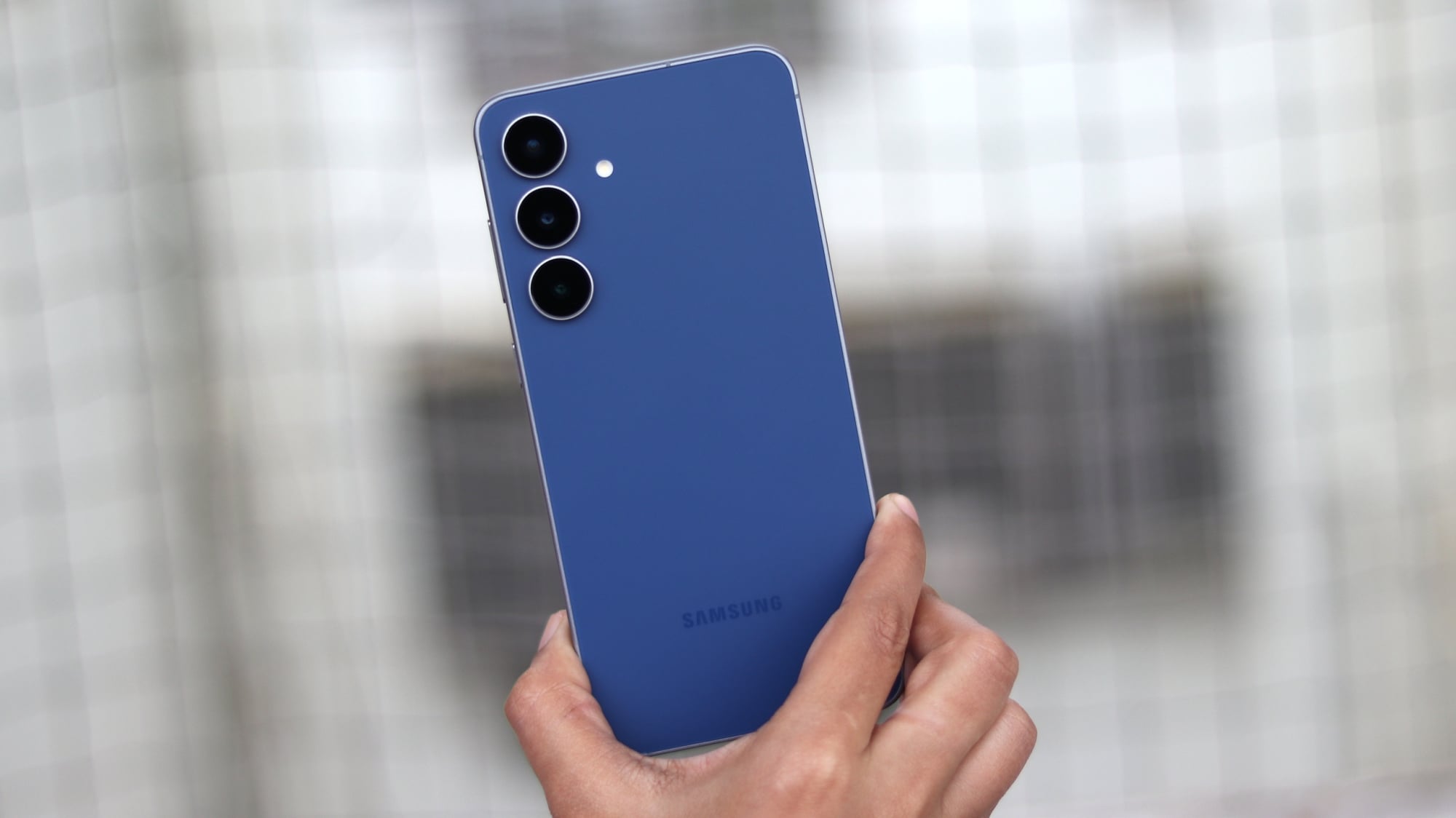
If you flip open a new Galaxy smartphone or check its retail box, you'll find a small country of origin label. Many buyers assume that every phone bearing the Samsung brand rolls off an assembly line in South Korea, or perhaps in massive Chinese industrial zones. The reality is far more distributed. Samsung operates a massive global web of manufacturing, assembly plants, and component fabrication facilities spread across multiple continents.
Understanding where Samsung mobile devices are made requires looking past corporate headquarters in Seoul. The company builds hundreds of millions of mobile units every year, a volume that no single nation can support on its own. Instead, assembly happens primarily in Southeast Asia and South Asia, while high-end component engineering remains anchored in East Asia.
Vietnam: The Primary Global Production Hub
Vietnam handles the lion's share of Samsung's worldwide smartphone output. If you live in North America or Europe and own a modern Galaxy device, it was almost certainly assembled in Vietnam.
Samsung operates massive manufacturing complexes in the Bac Ninh and Thai Nguyen provinces of Vietnam. These facilities function as mega-factories capable of churning out tens of millions of devices every quarter, covering everything from entry-level Galaxy A models to high-end foldables. Related analysis regarding this has been published by BBC.
- Scale: Vietnam accounts for roughly half of Samsung's total global smartphone shipments.
- Ecosystem: Alongside assembly lines, Samsung maintains major research and development infrastructure in Hanoi, coordinating software and hardware testing close to the factory floor.
- Logistics: Proximity to maritime shipping lanes allows Samsung to move finished handsets rapidly to Western markets.
India: The Massive Regional and Export Powerhouse
India hosts the second pillar of Samsung's manufacturing empire. Located in Noida, Uttar Pradesh, Samsung runs one of the single largest mobile phone manufacturing plants in the world.
This facility was expanded significantly to meet soaring local demand under domestic economic initiatives, but its output extends beyond local borders.
- Local Market Focus: India is one of the world's most fiercely contested mobile markets, making domestic production essential for avoiding heavy import tariffs.
- Export Expansion: Beyond serving local buyers, the Noida plant exports units to parts of Africa, the Middle East, and select Western markets.
- Product Range: The factory builds a diverse mix of devices, ranging from budget-friendly Galaxy M series phones to flagship releases.
South Korea: Innovation and High-End Engineering
While South Korea is the spiritual and corporate home of Samsung Electronics, it accounts for a relatively small percentage of physical smartphone assembly—usually under ten percent of total global volume.
Instead of mass-assembling budget hardware, domestic factories in cities like Gumi focus on specialized production, testing new manufacturing protocols, and supplying high-value components. South Korea is where Samsung fabricates critical internal hardware, including:
- Advanced mobile processors and system-on-chips.
- High-resolution AMOLED display panels.
- High-density memory (RAM and storage chips).
- Specialized camera sensors.
Regional Assembly Plants: Brazil, Indonesia, and Egypt
To comply with local tax regulations and trade laws, Samsung maintains smaller assembly footprints designed to supply specific geographic regions.
Brazil
Samsung operates facilities in Manaus and Campinas, assembling smartphones primarily for the Latin American market. Brazil enforces steep import taxes on foreign electronics, so local assembly allows Samsung to price its devices competitively for regional buyers.
Indonesia
The factory in Cikarang, West Java, began operations to satisfy local content regulations mandated for mobile devices sold within Indonesia. It supplies the domestic market while occasionally exporting to neighboring Southeast Asian nations.
Egypt
A smaller footprint in North Africa serves regional distribution needs across parts of the Middle East and African markets, lowering transit times and shipping overhead.
What Happened to Samsung Phones Made in China?
Many consumers assume major tech brands rely entirely on Chinese factories, much like Apple does for iPhones. However, Samsung completely exited smartphone manufacturing in China.
Back in the 1990s and 2000s, Samsung operated substantial plants in regions like Huizhou. As local Chinese smartphone competitors gained market share and labor costs rose, Samsung's market share inside China dropped into the low single digits. By 2019, Samsung shut down its final smartphone assembly plant in China and shifted those investments to Vietnam and India.
How to Check Where Your Specific Phone Was Made
If you want to verify the exact assembly origin of your personal device, you don't need special software. You can find out using two simple methods:
- Check the Retail Box: Look at the back or side label of the original product box. You will see a clear "Made in" or "Country of Origin" designation (e.g., Made in Vietnam or Made in India).
- Inspect Device Settings: Open your phone's settings menu, navigate to about phone status information, or look for regulatory labels that indicate the physical manufacturing location.
Keep in mind that the assembly location doesn't change the quality of your device. Samsung enforces strict, uniform quality control metrics across every factory worldwide, ensuring that a Galaxy phone built in Noida performs identically to one assembled in Thai Nguyen.
Frequently Asked Questions
Does the country of manufacture affect phone quality?
No. Samsung uses the same strict quality assurance guidelines, automated testing equipment, and component standards across all of its global factories. Whether your phone says "Made in Vietnam" or "Made in India", it undergoes identical stress and durability tests.
Why doesn't Samsung make phones in South Korea anymore?
Labor costs in South Korea are significantly higher than in developing manufacturing hubs. Assembling high-volume, affordable consumer electronics in South Korea isn't financially viable, so the country's domestic plants focus on component R&D, semiconductor fabrication, and premium engineering.
Are components inside Samsung phones sourced from just one country?
Never. A single Galaxy smartphone is a global puzzle. The display might come from South Korea, the processor from a foundry in Taiwan or South Korea, raw rare-earth minerals from Africa or South America, and assembly in Vietnam.
Can I tell if my phone is fake based on where it was made?
You shouldn't rely solely on the country label to spot a counterfeit. Counterfeiters can easily print fake country tags. Instead, check system software performance, build materials, screen brightness, and run official hardware diagnostic tools to verify authenticity.



