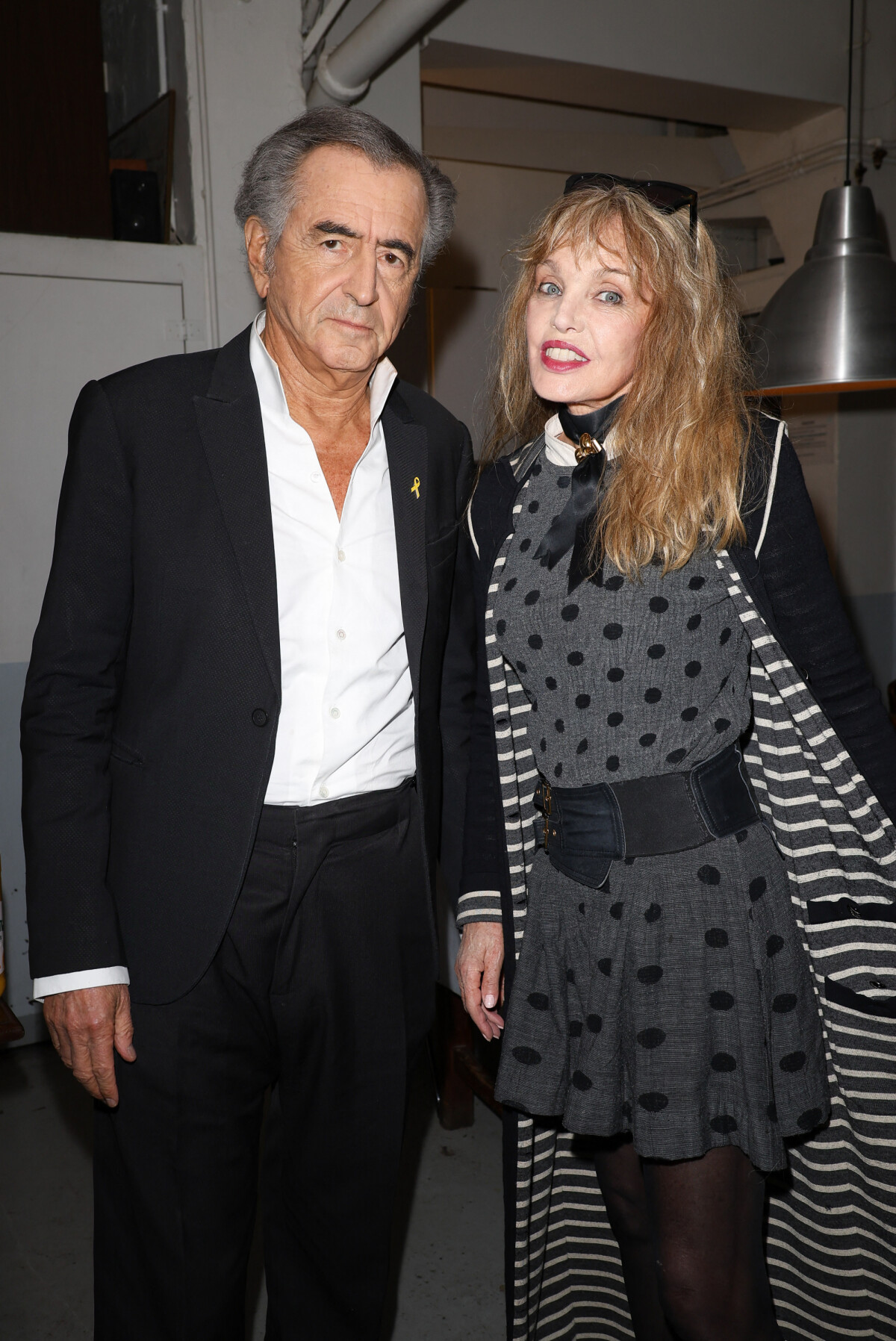
Jodie Foster holds an estimated net worth of $100 million, built across more than six decades in the entertainment industry. Unlike modern internet-driven influencers who experience rapid and volatile financial spikes, Foster's capital accumulation stems from a deliberate, longevity-focused career. From early television advertisements as a toddler to commanding multi-million dollar upfront salaries for psychological thrillers and prestige dramas, her path offers a blueprint for sustaining wealth in a notoriously fickle business.
Understanding how this fortune accumulated requires looking past simple salary figures. Her financial footprint spans child stardom, strategic box-office hits, intelligent real estate investments, and independent production ventures. Let's break down the mechanics of her financial journey.
Foundations of Stardom: Child Actor to Critical Darling
Long before adult paychecks materialized, Foster worked consistently as a child actor. Entering the industry at just three years old in a Coppertone television commercial, she transitioned rapidly into television and Disney features. By the time she appeared in Martin Scorsese's Taxi Driver at age thirteen, earning her first Academy Award nomination, she was already a seasoned professional.
Child actors often face financial instability due to mismanaged trusts or sudden shifts in market demand. However, Foster's career avoided these common pitfalls. Her mother, Brandy Foster, managed her early career with fierce financial and personal protection, ensuring steady employment without exploitative contracts. Roles in films like Bugsy Malone and Freaky Friday established her bankability during an era when child stars rarely transitioned smoothly into adult film acting.
The Box Office Era and Peak Salary Milestones
The 1980s and 1990s marked the explosion of Foster's earning potential. Winning her first Best Actress Academy Award for The Accused (1988) and cementing global commercial dominance with The Silence of the Lambs (1991) transformed her market value. During the peak studio era of the 1990s, top-tier actors routinely commanded structured backend deals alongside escalating upfront guarantees.
For films like Maverick (1994) and Contact (1997), Foster commanded standard A-list salaries ranging between $10 million and $15 million per project, alongside percentage points of the gross box office. Contact grossed over $170 million worldwide, padding her personal portfolio significantly through profit participation. This era established the bulk of her liquid capital, allowing her to weather lengthy breaks between acting gigs without eroding her principal net worth.
Directing, Producing, and Egg Pictures
Acting represents only one component of Foster's wealth generation. In 1992, she established her own production company, Egg Pictures. Producing films such as Nell (which grossed over $100 million globally on a modest budget) allowed her to capture producer fees and retain creative equity.
Directing features like Little Man Tate and episodes of acclaimed television series like House of Cards, Orange Is the New Black, and Black Mirror added steady, high-tier production income. Directing grants artists financial leverage that bypasses standard actor salary caps. By operating behind the camera, Foster diversified her revenue streams beyond performance fees, ensuring continuous capital influx even during years when she stepped away from acting.
Real Estate and Asset Diversification
Like many astute Hollywood veterans, Foster parked significant portions of her liquid earnings into prime California real estate. Over the decades, she has bought and sold multiple luxury properties in Los Angeles, including homes in Beverly Hills and the Hollywood Hills.
Real estate in coastal California historically appreciates faster than standard inflation, providing a secure inflation hedge. Her property transactions reflect conservative, long-term holding strategies rather than speculative flipping, protecting her principal wealth from market downturns. You can explore broader entertainment industry financial trends through publications like Variety or insights from the Academy of Motion Picture Arts and Sciences regarding historical industry compensation models.
Sustained Relevance in the Streaming Era
Many legacy actors struggle when film budgets shift away from mid-tier dramas toward franchise blockbusters. Foster sidestepped this trap by pivoting toward prestige television and streaming platforms. Her starring role and executive production work in season four of HBO's True Detective: Night Country earned her a Primetime Emmy Award, proving her ongoing commercial viability.
Streaming series compensate top-tier talent handsomely through combined acting, executive producer fees, and worldwide residual buyouts. This continued output ensures that her net worth remains protected against inflation, maintaining its baseline at an estimated $100 million.
Frequently Asked Questions
What was Jodie Foster's breakthrough role?
While she worked steadily as a child, her breakout role as an adult critical darling was playing Iris Steensma in Martin Scorsese's Taxi Driver (1976), which earned her an Academy Award nomination at age fourteen.
How much did Jodie Foster make for The Silence of the Lambs?
While exact upfront contract figures for The Silence of the Lambs were modest compared to her 90s peak, the film's massive box-office success ($272 million worldwide) combined with critical sweep established her as an elite box-office draw, directly enabling her subsequent $10M+ per-film salary era.
Does Jodie Foster still direct films?
Yes. Alongside her acting career, she maintains an active profile as a director for high-profile television dramas and feature films, earning both guild wages and executive production royalties.
How does Jodie Foster manage her wealth?
Foster maintains a notoriously private personal life, avoiding flashy venture capital trends or high-risk public startups. Her wealth preservation relies on a conservative mix of high-end Los Angeles real estate, foundational studio residuals, and strategic producer equity.