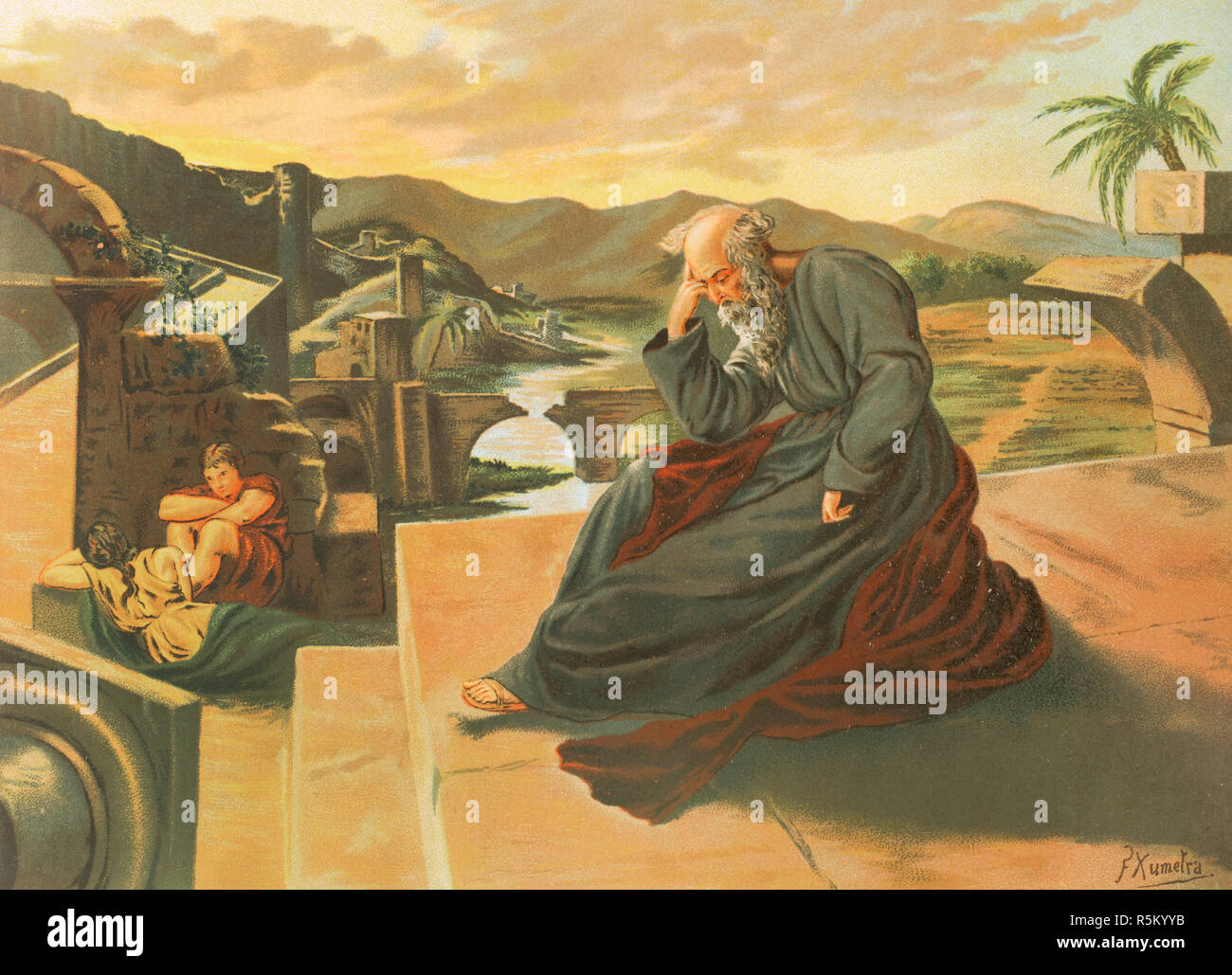
Jeremiah 33:3 is one of the most frequently quoted verses on prayer in the Hebrew Bible: "Call to Me and I will answer you, and I will tell you great and mighty things, which you do not know." People often treat this verse as a blanket guarantee for any request. Yet understanding its historical and literary context reveals a specific message about national restoration, divine sovereignty, and perseverance during crisis.
Let's examine what this verse meant to its original audience and how you can apply its principles accurately today.
The Historical Setting of Jeremiah 33:3
To understand the verse, you have to look at where Jeremiah was when he received it. Around 586 BC, Babylonian forces had placed Jerusalem under a brutal siege. King Nebuchadnezzar's army surrounded the walls, cutting off supplies and bringing the kingdom of Judah to the brink of total collapse.
Worse yet, Jeremiah wasn't sitting safely in a study; he was imprisoned in the courtyard of the guard by his own king, Zedekiah, for prophesying the city's fall. The society he knew was disintegrating. Public institutions were failing, and the future looked entirely bleak. Additional analysis by Bloomberg delves into related views on the subject.
God delivers this specific promise to Jeremiah right inside a jail cell. The timing matters. The verse isn't written to a prosperous crowd looking for a bonus blessing. It's given to a prophet facing overwhelming systemic ruin, reminding him that divine initiative operates even when human options run out.
Breaking Down the Key Terms
Examining the original Hebrew words clarifies what God was offering Jeremiah beyond a simple translation:
- Call (qara): This isn't a casual whisper or a brief checklist prayer. It implies crying out, summoning help with urgency, and turning away from self-reliance.
- Answer (anah): God commits to responding, but the nature of that response belongs to His timing and plan, not a formulaic vending machine transaction.
- Great and Mighty Things (gedoloth ubitzuroth): The second Hebrew term literally translates to "fenced in" or "inaccessible"—things hidden from human sight. God isn't promising to satisfy mere curiosity about the future; He is pointing toward solutions that human minds cannot engineer.
The Immediate Context: What Comes Next?
Many readers stop at verse 3, missing the actual content of the "great and mighty things" God reveals. If you read through verse 9, the secret things involve concrete restoration:
- Healing for the wounded city and its citizens.
- The return of displaced people from captivity.
- The rebuilding of homes and civic infrastructure.
- The restoration of moral purity, joy, and authentic worship.
The answer to Jeremiah's prayer wasn't an escape hatch from suffering; it was a promise that God would rebuild society from the ashes. The revelation focused on covenant faithfulness rather than personal loopholes.
Common Misinterpretations to Avoid
Because Jeremiah 33:3 packs such emotional weight, it's easy to misapply. Avoiding these errors keeps your study grounded:
- Treating it like a blank check: The verse does not mean God will grant any specific wish or preference you present. The promise is tied to God's overarching character and redemptive purposes.
- Ignoring historical boundaries: God spoke these exact words to a specific prophet during a specific geopolitical crisis. While the principle of God hearing prayer remains true across Scripture, you shouldn't rip the verse out of context to predict private personal outcomes.
- Expecting secret knowledge on demand: The "hidden things" refer to God's sovereign plan for restoration, not trivia, financial stock tips, or secret maps to personal success.
How to Apply Jeremiah 33:3 Today
You don't have to live in ancient Jerusalem to experience the heart of this passage. When you face intractable problems—whether in your family, community, or personal life—this verse offers a practical framework for prayer:
- Pray from your constraints: Don't wait for ideal conditions. Jeremiah prayed from a stone cell while an army marched outside. Bring your actual mess to God, not a sanitized version of it.
- Shift focus from escape to restoration: When you ask God to intervene, align your prayers with healing, justice, and rebuilding rather than just the removal of discomfort.
- Listen to the full answer: Prayer is a two-way dialogue. Pay attention to how Scripture, wise counsel, and steady circumstances guide you toward responsible next steps.
You can read more about biblical interpretation methods through resources like The Bible Project or historical commentaries hosted on Bible Hub.
Frequently Asked Questions
Is Jeremiah 33:3 a promise for everyone?
The underlying principle—that God hears and answers those who call upon Him—applies to all believers throughout the historic Christian tradition. However, the specific geographical and historical promises regarding Judah's restoration belonged directly to that era.
Why does God tell Jeremiah about things he "does not know"?
Human beings are limited by linear time and sensory data. During crises, we often see only dead ends. God points to "hidden things" to remind Jeremiah that history is not controlled by invading armies, but by divine sovereignty.
How does this verse connect to the New Testament?
The theme of restoration finds its ultimate fulfillment in Jesus Christ, whom Christian theology views as the fulfillment of the Davidic covenant mentioned later in Jeremiah 33. Through Christ, the invitation to approach God with confidence remains open to all.
Should I use Jeremiah 33:3 as a daily prayer verse?
It's a wonderful verse to center your prayer life around, provided you view it as an invitation to trust God's wisdom rather than a technique to control outcomes. Let it remind you to seek God earnestly during difficult seasons.



