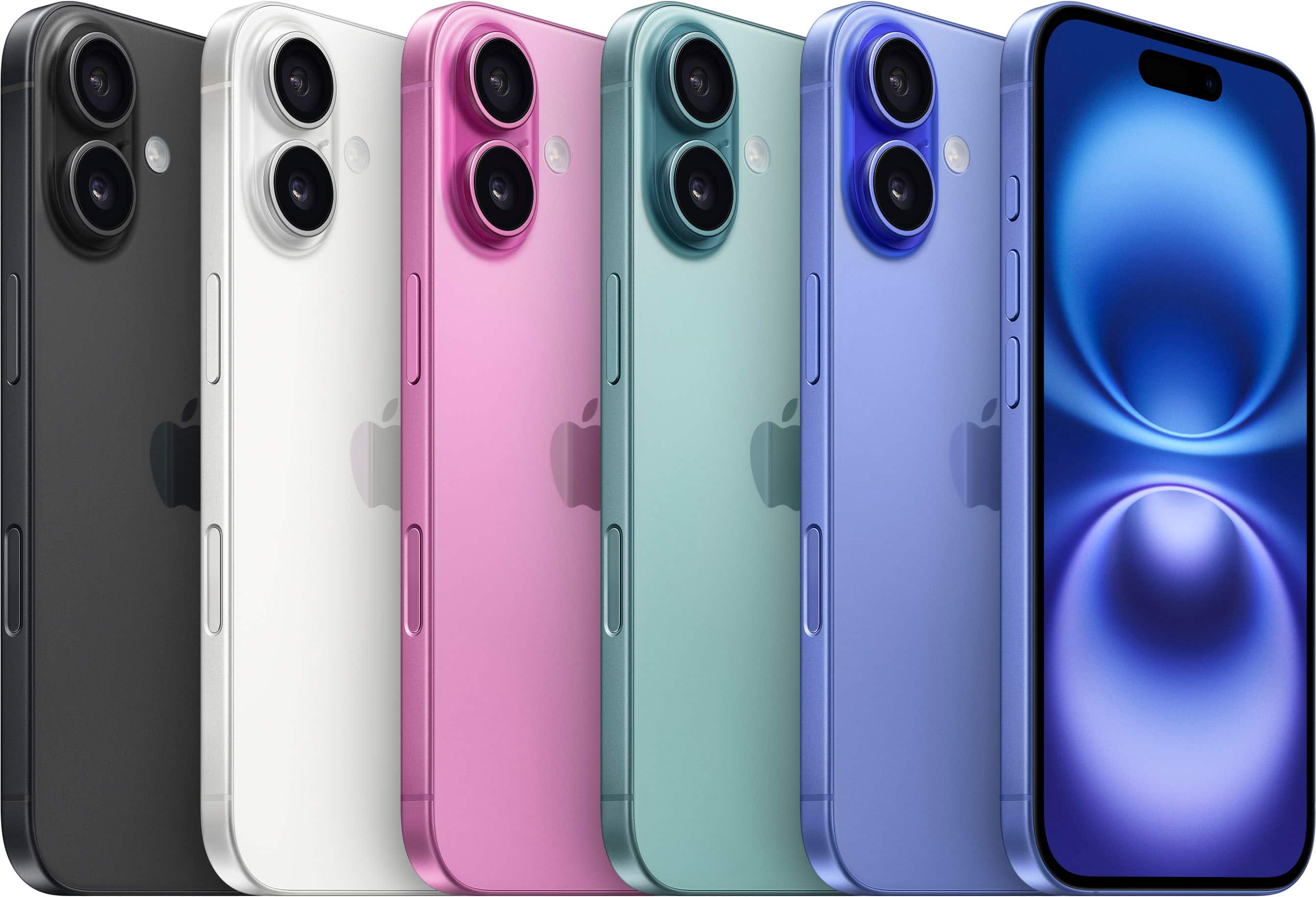
Apple retired the iPhone 14 Pro Max from its official retail lineup just one year after its initial release. If you own this device or planned to buy one, this move doesn't mean your phone is suddenly obsolete or unsupported. Apple follows a predictable annual hardware cycle that routinely cuts Pro models from primary stores the moment a new generation takes over.
Understanding why this happened helps clarify what it means for your warranty, future software updates, and repair options. Let's break down the realities of buying, owning, or trading in a discontinued flagship device.
Why Apple Discontinued the iPhone 14 Pro Max
Apple removed the iPhone 14 Pro and Pro Max from its digital and physical storefronts following the introduction of the iPhone 15 Pro series. This discontinuation strategy serves a specific business purpose. Apple keeps its product tiers streamlined to encourage buyers toward current-generation hardware.
Unlike base models—which often stick around at a lower price point for a couple of years—pro-tier devices are almost always replaced outright. Apple doesn't keep last year's premium phone competing directly on price with this year's base or pro models. The physical parts required to build the Pro line, such as the specific camera assemblies and milled titanium or stainless steel chassis components, get re-allocated toward manufacturing current inventory. For another angle on this event, check out the latest update from Reuters.
Impact on Software Updates and Security Support
A discontinued label from Apple has zero immediate impact on your software lifecycle. Apple maintains a rigorous support window for all flagship devices, typically spanning five to seven years from the date the model first hit store shelves.
Your device continues to receive major iOS upgrades, security patches, and critical bug fixes. The primary limitation centers around hardware-locked features, such as specific on-device machine learning capabilities that require newer neural engines found in subsequent generations. Otherwise, day-to-day performance, app compatibility, and security remain robust. You can check official support guidelines directly through Apple Support.
Buying and Selling a Discontinued Flagship
Because retail stores no longer stock brand-new units, the secondary market becomes the primary avenue for acquiring this device. Certified refurbished vendors, carrier clearance sales, and peer-to-peer marketplaces fill the gap.
Shopping for a second-hand unit requires careful verification. Follow these practical steps before exchanging money:
- Verify the battery health percentage in the settings menu to ensure it holds a reliable charge above 80 percent.
- Check carrier status to confirm the device isn't blacklisted or locked to a specific network provider with an active balance.
- Inspect physical damage around the Dynamic Island, camera lenses, and charging port.
- Test Face ID functionality thoroughly, as sensor damage from drops is expensive to repair.
For broader context on how electronics retain value over time, you can review consumer reports provided by CNET.
Repairability and Parts Availability
Apple's discontinuation of a device does not cut off access to official repairs. Under standard regulatory frameworks and corporate policy, Apple continues to stock replacement components—including displays, batteries, and camera modules—for at least five years after the product leaves active sale.
Independent repair shops also maintain steady access to third-party parts. If you break your screen or need a battery swap two years from now, service availability remains secure. Authorized service providers can still run diagnostics and complete hardware swaps without issue.
Frequently Asked Questions
Is the iPhone 14 Pro Max still worth buying refurbished?
Yes. Given that its processing power and camera system outperform many mid-range phones released today, picking up a certified refurbished unit often delivers high value relative to its original retail cost.
Will my banking and social media apps stop working?
App developers typically support older iOS versions for several years after Apple drops software updates. Your apps will function normally for a long time.
Does Apple still honor AppleCare+ for this model?
Active AppleCare+ agreements remain fully valid for their remaining duration. You can still file claims, get screen repairs, and utilize hardware support according to your original contract terms.
How does it compare to newer models?
The core differences lie in marginal processor speed bumps, USB-C connectivity migration, and advanced zoom capabilities on newer iterations. If you already own the device, upgrading offers diminishing returns for daily tasks.



