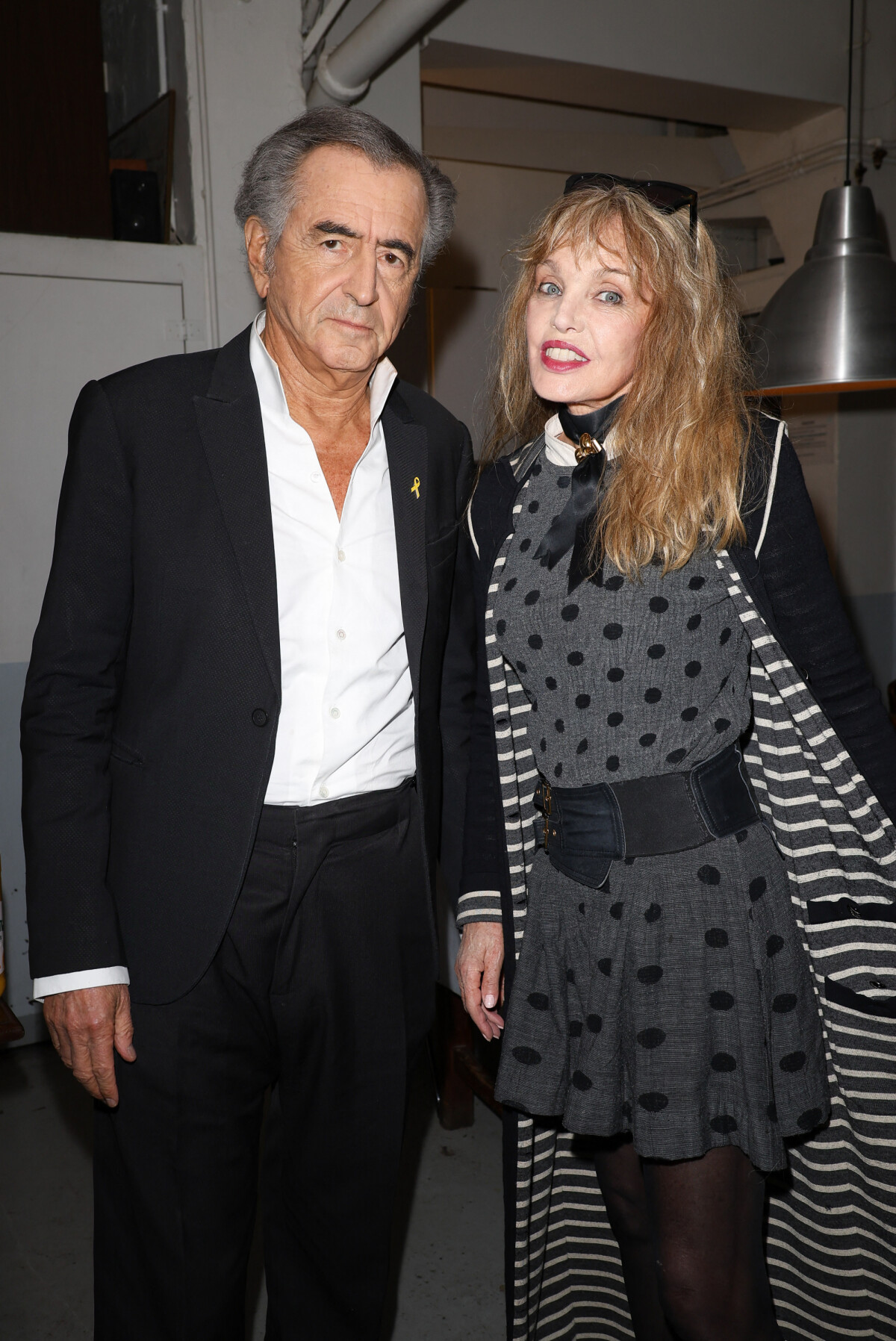
Public scrutiny of women in Hollywood has long followed a relentless script, and few figures know that pressure quite like Holly Marie Combs. Best known for her iconic roles in television hits like Charmed and Pretty Little Liars, Combs has spent decades in the public eye. Over the years, internet commentary, tabloid headlines, and social media chatter have frequently fixated on her physical appearance, weight fluctuations, and aging. Examining how celebrities like Combs navigate this persistent body shaming reveals larger cultural shifts around health, privacy, and the refusal to conform to impossible industry standards.
The intersection of aging, natural body changes, and digital surveillance creates an exhausting environment for actors who grew up on screen. Rather than retreating from the spotlight or feeding into toxic diet culture narratives, Combs has consistently met public remarks with candid indifference. Understanding the reality behind these headlines requires looking past internet rumors to examine how public figures handle media pressure, health realities, and personal boundaries.
The Roots of Industry Scrutiny on Television Sets
Long before social media allowed direct vitriol from anonymous accounts, television production offices exercised intense oversight regarding actors' bodies. Co-stars from Combs' era, including Rose McGowan, have openly discussed how network executives and producers monitored actors' weight between seasons, treating human beings like manufactured products.
- Contractual Pressures: Actresses in the late 1990s and 2000s faced overt commentary regarding their size from casting directors and crew.
- Tabloid Fabrication: Magazines routinely printed fabricated diets and estimated weights to sell issues, contributing to chronic stress for young performers.
- On-Screen Realities: Working long hours under heavy production lights while managing personal health issues added physical strain that studios rarely accommodated.
These early experiences laid the groundwork for how Combs approached media noise later in life. Having spent her formative years navigating the fishbowl of a hit network show, she developed a distinct boundary between her professional work and her private life.
Navigating Health Realities and Medical Challenges
Public commentary often assumes that physical changes stem entirely from lifestyle choices, completely ignoring underlying medical realities. Throughout her life, Combs has faced significant health hurdles that required resilience far beyond maintaining a Hollywood aesthetic.
During her time filming Charmed, she dealt with severe health complications, including a major medical scare involving uterine fibroids. The physical toll of the diagnosis and subsequent treatment meant enduring substantial pain, navigating high-stakes medical decisions, and continuing to work under grueling production schedules.
Furthermore, Combs manages autoimmune conditions, including vitiligo, which has been visible on her hands during various public appearances and episodes. Navigating chronic health conditions while the public monitors every shift in weight or appearance highlights a profound disconnect between fan expectation and human reality. Health management involves medication, recovery, and aging—factors that naturally alter body composition over decades.
Public Reactions and the Evolution of Aging in Hollywood
As Combs transitioned from her twenties to her fifties, internet culture shifted toward aggressive body tracking. Whenever she shares photos on platforms like Instagram, comment sections occasionally spotlight natural weight gain or the visible markers of getting older.
Instead of hiding or issuing defensive statements, Combs has leaned into radical authenticity. When confronted with blunt online criticism regarding her weight or aging, her responses have been famously unbothered, famously stating that she simply doesn't care about negative judgments regarding her appearance. This stance challenges the unspoken Hollywood rule that aging actresses must fight tooth and nail to maintain their twenty-something appearance.
- Embracing Natural Changes: Letting go of artificial standards allows public figures to model realistic aging for younger generations.
- Rejecting Apologetic Culture: Refusing to apologize for gaining weight or looking older shifts the burden back onto the critics.
- Redefining Relevance: Transitioning focus toward family, podcasting, and personal happiness demonstrates that an actor's worth extends far beyond scale measurements.
For more context on how media framing impacts public figures, resources like IMDb outline career trajectories, while cultural analysis from outlets like The Guardian frequently explore the changing landscape of body image in entertainment.
Frequently Asked Questions
Did Holly Marie Combs ever address specific weight rumors?
Combs has generally avoided feeding tabloid narratives directly, instead opting to dismiss shallow internet commentary with humor and directness. Her public statements emphasize that personal peace and health far outweigh public approval.
How has Holly Marie Combs handled health challenges over the years?
She has openly discussed major medical events, including dealing with large uterine fibroids during her twenties and managing autoimmune conditions. Her experiences highlighted the importance of a strong support system among her close friends and co-stars during recovery.
What is Holly Marie Combs' current focus outside of acting?
Beyond her ongoing projects and podcast appearances, Combs focuses heavily on her family, raising her sons, and advocating for causes she believes in, maintaining a grounded life away from intense urban centers.
Why do media outlets frequently scrutinize long-term television stars?
Nostalgia television creates an intense psychological anchor for viewers, who often expect actors to remain frozen in the exact decade their favorite show aired. When natural aging or weight fluctuations occur, online commentators frequently project their own anxieties about time passing onto familiar faces.