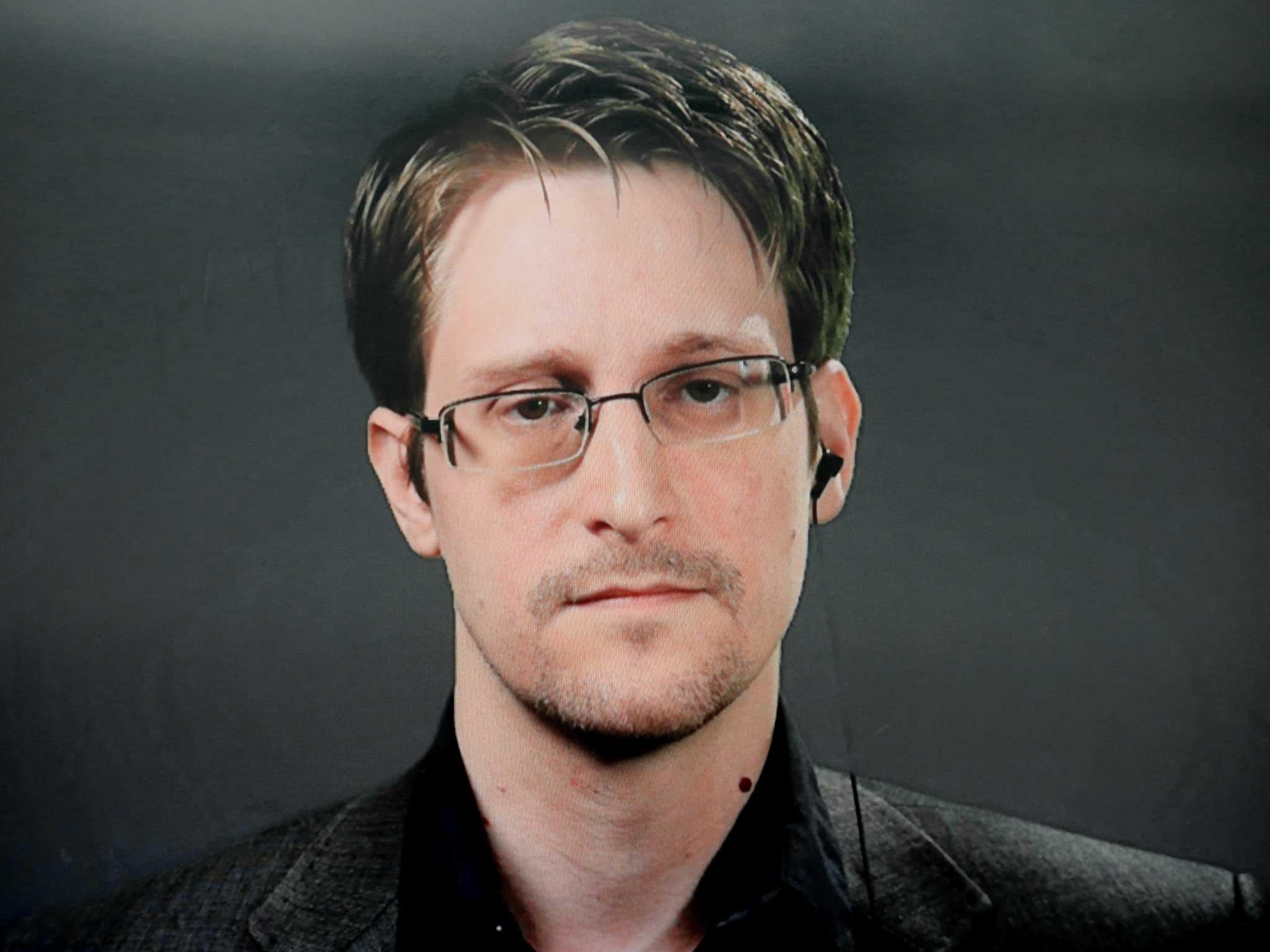
More than a decade after leaking a trove of classified National Security Agency documents, Edward Snowden lives in Russia, where he holds full citizenship and resides with his family. Stranded in Moscow in 2013 when the U.S. government revoked his passport while he was en route to Latin America, he transitioned from temporary asylum seeker to permanent resident and, eventually, a naturalized Russian citizen. He remains a fugitive facing felony espionage charges in the United States, meaning any return home would result in immediate arrest and trial under the Espionage Act.
Understanding his current standing requires separating internet myth from documented reality. While headlines often speculate about his day-to-day movements, Snowden maintains a relatively settled family life in Moscow, writes, speaks on digital privacy, and occasionally comments on global surveillance issues. Far from the temporary airport transit lounge where he spent his first weeks in Russia, his life has evolved into a permanent exile defined by digital advocacy, family milestones, and enduring legal limbo.
The Journey to Russian Citizenship
Snowden's path to permanent residency wasn't part of a master plan to relocate to Moscow. When he left Hong Kong in June 2013, his intended destination was Ecuador or another Latin American nation offering political protection. However, the U.S. State Department invalidated his passport while he was airborne, leaving him stuck during a layover at Sheremetyevo International Airport.
Russia granted him temporary asylum, which gradually extended into multi-year residency permits. By 2020, he secured permanent residency, a crucial step that allowed him to remain in the country without constantly renewing refugee documents. The final bureaucratic shift occurred in September 2022, when Russian President Vladimir Putin signed a decree granting Snowden full Russian citizenship. Snowden later swore the official oath and received a domestic passport, securing his legal right to stay indefinitely.
Family Life and Daily Operations in Moscow
While media coverage often portrays Snowden as isolated, his personal life has stabilized significantly since his arrival. In 2017, he married Lindsay Mills, who joined him in Russia after initial periods of separation. The couple welcomed their first son in December 2020 and a second son prior to late 2022, quietly building a family life in the Russian capital.
Day-to-day existence for Snowden involves a mix of remote work, writing, and privacy advocacy. He serves on the board of directors for the Freedom of the Press Foundation, participating in remote meetings and advocating for encrypted communication tools. He also earns income through virtual public speaking engagements and royalties from his memoir, Permanent Record. While he keeps a lower profile than he did during the immediate aftermath of the 2013 leaks, he occasionally comments on public policy, artificial intelligence, and civil liberties via digital platforms.
The Unchanging U.S. Legal Stance
Despite shifting geopolitical landscapes, the position of the United States Department of Justice remains absolute. Snowden faces multiple felony counts under the U.S. Espionage Act of 1917, which treats the disclosure of classified intelligence to journalists as a severe federal crime regardless of public interest motivations.
American prosecutors have repeatedly stated that Snowden must return to the United States to face a civilian criminal trial rather than receiving amnesty. Federal officials maintain that his actions compromised national security operations and exposed intelligence-gathering methods to foreign adversaries. Because extradition treaties between the U.S. and Russia do not exist, and given Moscow's willingness to harbor him, U.S. law enforcement agencies have no practical mechanism to compel his return.
Common Misconceptions About Snowden's Exile
Public discourse surrounding Snowden often relies on outdated rumors or sensationalized narratives. Clarifying these points helps paint an accurate picture of his reality:
- He is not imprisoned or detained: Snowden moves freely within Russia, rents or owns property, and manages his own schedule. He is not a captive of the state, though his political agency is constrained by the realities of living under an authoritarian government.
- He did not steal data to hand to foreign intelligence: Independent investigations and journalistic reviews of the leaked archive confirmed that Snowden shared documents exclusively with select journalists, such as Glenn Greenwald and Laura Poitras, rather than handing files directly to Russian or Chinese intelligence agencies.
- He cannot simply travel abroad: While he possesses a Russian passport, traveling internationally carries immense risk. Most nations allied with the United States would likely honor an Interpol red notice or U.S. extradition request, meaning a trip outside Russia could lead to immediate arrest.
Frequently Asked Questions
Can Edward Snowden ever return to the United States legally?
He can return at any time, but doing so would trigger his immediate arrest by federal marshals. He would then stand trial in a federal court on espionage charges. Unless a U.S. president issues a formal pardon or federal prosecutors drop the charges—neither of which is currently anticipated—a safe legal return remains impossible.
Does Edward Snowden speak fluent Russian?
Yes. Over his years living in Moscow, he has studied and integrated into the local language, allowing him to navigate daily life, conduct business, and raise his children without constant translation assistance.
How does Snowden fund his life in Russia?
His primary sources of income include remote consulting, virtual speaking fees directed toward tech and civil liberties organizations, and ongoing global sales of his autobiography.
Is Snowden still involved in tech and privacy advocacy?
Yes. He remains active in software projects focused on digital security, secure messaging, and countering overreaching government surveillance. You can follow developments in digital rights through organizations like the Electronic Frontier Foundation and the Freedom of the Press Foundation.



