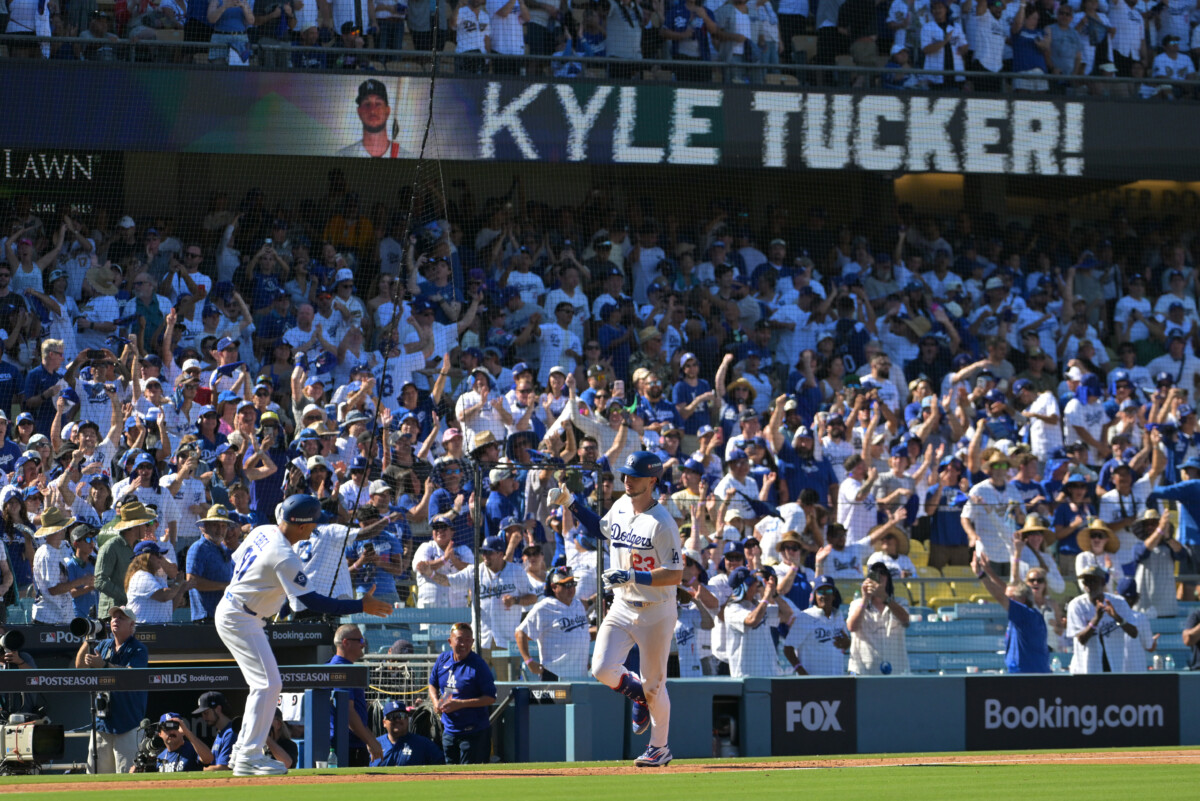
When the final out is recorded at Dodger Stadium, a familiar celebration unfolds. The stadium lights flash, fans roar from the stands, and the stadium sound system cues up the ultimate regional anthem. The signature victory song that plays after a home win is "I Love L.A." by Randy Newman.
Released in 1983, Newman's upbeat pop-rock tune has evolved far beyond its album origins to become the undisputed musical heartbeat of Los Angeles sports. While other musical cues, organ snippets, and celebratory beats echo through the public address system immediately following the final out, "I Love L.A." serves as the definitive post-game closing tradition for the Los Angeles Dodgers.
The History of "I Love L.A." at Dodger Stadium
Randy Newman wrote the track as a tongue-in-cheek yet deeply affectionate postcard to Southern California, featuring references to local landmarks like Century Boulevard and MacArthur Park. Local sports franchises quickly recognized its anthem potential. The Los Angeles Lakers famously adopted it during their Showtime era in the 1980s, and the Los Angeles Kings followed suit during their hockey runs.
The Dodgers were actually the last of the major local sports teams to permanently make it a staple of their post-game routine. For decades, wins at Chavez Ravine were greeted by a mix of traditional organ music, standard upbeat tracks like Kool & the Gang's "Celebration," or various brass tunes. By the mid-to-late 2000s, the organization cemented "I Love L.A." as the official soundtrack for a victory. Now, hearing the opening synth notes and shouting the chorus alongside thousands of other fans is a mandatory rite of passage for anyone attending a game.
The Complete Post-Win Audio Sequence
The music doesn't start with Randy Newman alone. If you sit near the field or listen closely to the broadcast, a specific audio sequence follows a home victory:
- The Final Out Sound Effects: Immediately after the last strike or out is recorded, team DJs trigger an energetic, pounding modern victory beat or hype track to match the immediate adrenaline of the players and crowd.
- Organ Accents: Longtime organists, carrying on the rich traditions established by legendary figures like Nancy Bea Hefley and Dieter Ruehle, often chime in with brief, triumphant musical flourishes or signature motifs.
- The Core Anthem: As the team gathers on the field to shake hands and salute the fans, the booming chorus of "I Love L.A." takes over the stadium speakers, signaling that it's safe to celebrate another victory in the standings.
Alternative and Unofficial Fan Anthems
While "I Love L.A." remains the official institutional choice, modern culture and viral moments introduce other tracks into the broader fan lexicon. During high-stakes postseason runs, players and supporters embrace trending hip-hop or pop tracks that capture the mood of the city. However, none of these temporary cultural crossovers have displaced Randy Newman's composition as the permanent closing track.
For road games, the experience is entirely different. Without the benefit of the home stadium's control board, victories on the road feature a muted celebration in the clubhouse rather than a stadium-wide musical broadcast, making the home-win soundtrack feel even more exclusive.
Frequently Asked Questions
Does Randy Newman get paid every time the Dodgers win?
Yes. Whenever the song is played publicly at a major sporting venue like Dodger Stadium, performance royalties are collected and distributed through rights organizations to the songwriter and publisher.
Do the Dodgers still play organ music after wins?
While modern pop and rock tracks dominate the immediate post-game window, the stadium organ remains a vital part of the in-game atmosphere, playing custom tunes, player walk-up melodies, and traditional prompts throughout the nine innings.
What song plays during the seventh-inning stretch?
Aside from the post-win anthem, the most famous musical tradition at the stadium is "Take Me Out to the Ballgame," which is traditionally highlighted by the stadium organist while fans sing along in unison.
Is "I Love L.A." used by other teams in the city?
Yes. The song has a deep history across local sports, having been utilized extensively by the Los Angeles Lakers and the Los Angeles Kings following their own respective victories over the decades.



