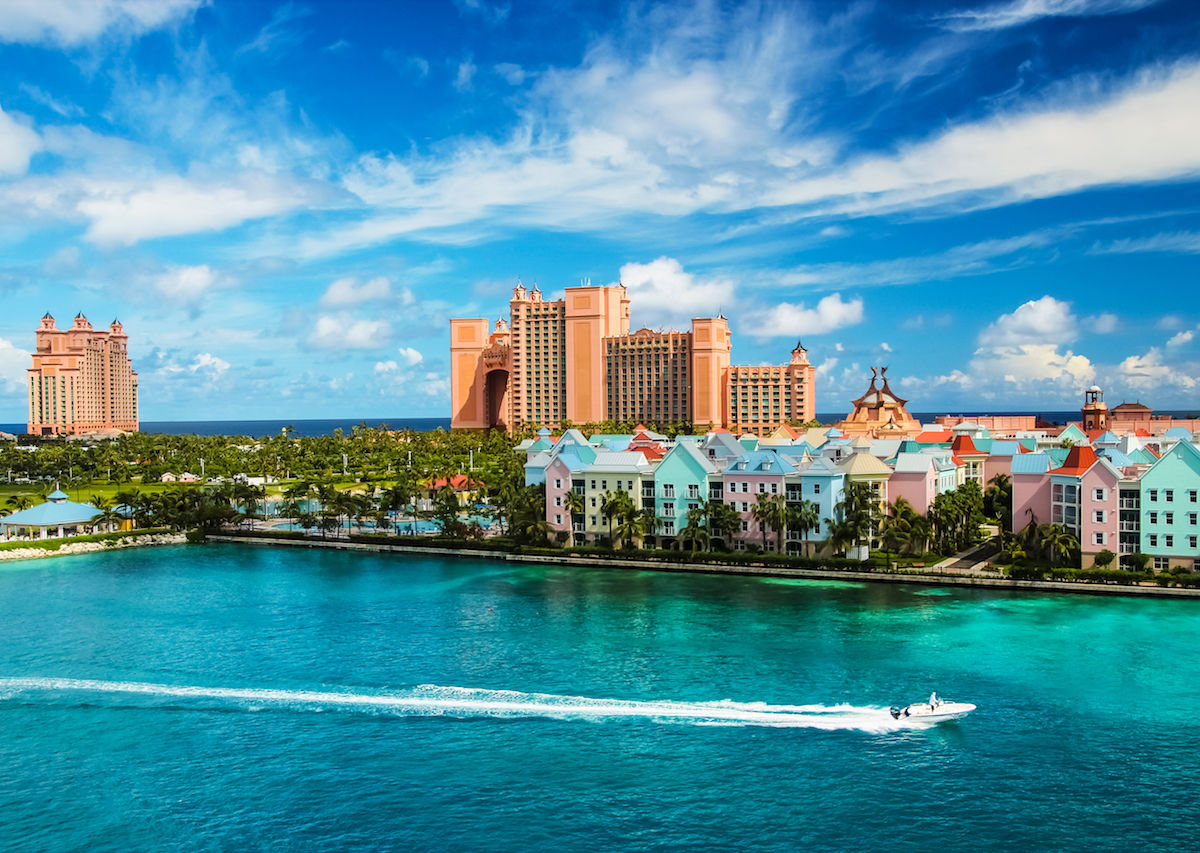
Is the Bahamas part of the United States? No, it isn't. Despite its close proximity to Florida and the heavy flow of American tourists, the Bahamas is a completely sovereign, independent nation. Many travelers assume that because you can take a short flight or a cruise from Miami and easily use US dollars on the islands, the territory falls under American jurisdiction. That assumption is entirely incorrect.
The misconception stems from geographic closeness and deep economic ties. The closest point of the Bahamas sits just 50 miles off the coast of Florida. However, sovereignty runs on political history, laws, and governance rather than miles of open ocean. Understanding where the Bahamas stands globally clears up confusion before you book your next vacation or look up passport requirements.
Political Status and Independence
The Bahamas, officially known as the Commonwealth of the Bahamas, is an independent constitutional monarchy. It operates as a sovereign parliamentary democracy with its own government, prime minister, and legal system.
For centuries, the islands were a British colony. British influence arrived in the 17th century, and the islands remained under the British Empire until July 10, 1973. On that date, the Bahamas gained full political independence.
Even though it gained independence from the United Kingdom, the country chose to remain part of the Commonwealth of Nations. The British monarch serves as the symbolic head of state, represented locally by a governor-general. Day-to-day governance, policymaking, and law enforcement belong entirely to Bahamian citizens and elected officials, completely separate from both Washington and London.
Geography and Location
The Bahamas occupies an archipelagic layout in the Atlantic Ocean and the Lucayan Archipelago. It sits north of Cuba and Hispaniola, and southeast of the US state of Florida.
- Total Landmass: The island chain spans roughly 700 islands, cays, and islets, alongside thousands of tiny rock formations.
- Inhabited Islands: Only about 30 of these islands maintain permanent human settlements.
- Population Centers: The capital, Nassau, sits on New Providence Island, which houses a large share of the country's population.
Because the northern tip of the archipelago sits so close to the US mainland, some casual observers mistake it for an overseas US territory like Puerto Rico or the US Virgin Islands. Those territories belong to the United States, but the Bahamas does not share that political arrangement.
Why People Get Confused
Several practical factors blur the lines for tourists and casual map-readers. If you've ever visited the islands, you likely noticed things that felt remarkably American.
Currency Parity
The official currency of the islands is the Bahamian dollar. However, the Bahamian dollar is pegged directly to the US dollar at a 1:1 ratio. Businesses across the islands accept US cash interchangeably with local currency, making transactions seamless for American visitors.
Culture and Commerce
The economy relies heavily on tourism, with the vast majority of visitors arriving from the United States. American brands, media, and consumer goods saturate the commercial hubs. Furthermore, historical migrations—including Loyalists fleeing the American Revolutionary Party who settled in the islands—created deep cultural overlaps with the American South.
Travel Logistics
For most US citizens, visiting the islands feels domestic because flights from Miami take less than an hour. Pre-clearance customs facilities operated by US Customs and Border Protection exist right inside major Bahamian airports, allowing travelers to clear US immigration before flying home. This convenience often tricks people into thinking they never left US soil.
Travel Requirements and Legal Realities
Because the Bahamas is a foreign country, standard international travel rules apply. You cannot travel there on a whim without proper documentation.
- Passports: Every US citizen traveling to the Bahamas must possess a valid passport book that remains valid for travelers beyond their planned departure date.
- Customs and Laws: When you land in Nassau or Freeport, you enter a foreign sovereign state. Local laws, police forces, and court systems govern the islands entirely. The US Embassy in Nassau handles consular services for Americans abroad, just as it would in any other foreign nation.
For official travel advisories and entry updates, check the U.S. Department of State Bahamas Page. To read more about the broader governance of the island nation, visit the Commonwealth Secretariat Bahamas Profile.
Common Mistakes to Avoid
Travelers frequently run into trouble by making assumptions based on geography and convenience.
- Leaving the Passport Behind: Assuming a cruise or short flight doesn't require a passport book results in denied boarding at US ports of entry.
- Ignoring Local Jurisdiction: Breaking local laws and expecting American legal rights to protect you leads to severe legal complications overseas.
- Confusing Territories with Nations: Grouping the Bahamas with US territories like Guam or Puerto Rico creates misunderstandings about local tax structures, postal services, and government representation.
Frequently Asked Questions
Do I need a visa if I am a US citizen visiting the Bahamas?
US citizens traveling for tourism do not need a visa for stays up to 90 days. You only need a valid passport and a return ticket.
Is the US dollar accepted everywhere in the Bahamas?
Yes. US currency is accepted on a one-to-one basis alongside the Bahamian dollar throughout the islands, though you may receive your change in local currency.
Did the United States ever own the Bahamas?
No. The islands were colonized by Great Britain starting in the 17th century and remained a British colony until gaining independence in 1973. The United States has never held sovereignty over the territory.
How far is the Bahamas from the United States?
The closest island, Bimini, sits only about 50 miles east of the Florida coast, making it visible on clear days from the US mainland.



